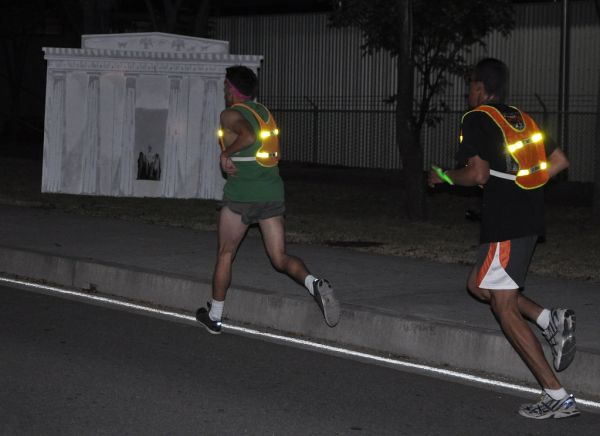
Training for a first marathon is less about heroic single efforts and more about steady accumulation: building the weekly mileage your body can handle, running it consistently, and arriving at the start line healthy rather than exhausted. Most beginner plans run for somewhere between four and six months, giving enough time to adapt without inviting injury from a rushed build-up.
The weekly building blocks
A typical week mixes a handful of different run types rather than just running the same distance every day. There's usually one long run that gradually extends over the weeks to build endurance, a couple of easy, conversational-pace runs to add volume without excessive fatigue, and sometimes a session with faster efforts to improve running economy. Rest or light cross-training days are just as important, giving muscles and connective tissue time to recover and strengthen.
A common guideline is to increase weekly distance gradually rather than in big jumps, and to include an occasional lighter recovery week every few weeks so the body can absorb the training rather than simply piling up fatigue.
Fuelling and pacing
Long runs are also where you practise the things that matter on race day: what to eat and drink beforehand, how to fuel during the run itself, and what pace feels sustainable. Many first-time marathoners start too fast because early kilometres feel deceptively easy; running at an even, controlled pace throughout — or even slightly negative, meaning the second half is a touch faster than the first — tends to produce a far more comfortable finish than sprinting early and fading late.
Don't neglect the taper: reducing volume in the final couple of weeks before the race allows your legs to feel fresh, even though it can feel counterintuitive to run less right before the big day.
This is general training guidance rather than medical advice, so if you're new to running, managing an injury, or training with an underlying health condition, it's worth speaking to a doctor or coach before starting a marathon programme. Above all, the first marathon is about finishing strong and enjoying it — personal bests can come later, once the endurance base is properly in place.